
Solutions
Complete vehicle assessment.
One drive-through. Every condition captured, documented, and costed before the car leaves the lane.
Sign up for a Demo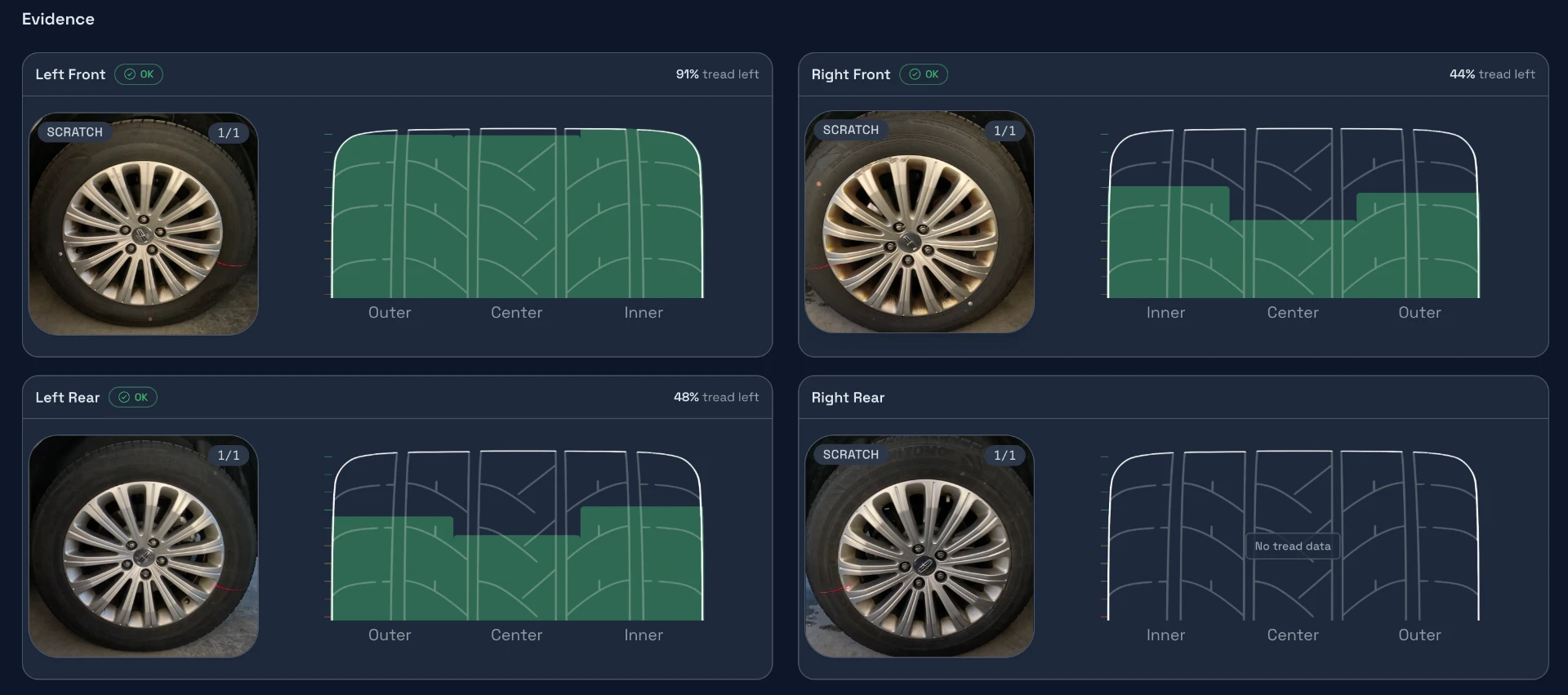
Tires
Tire condition sits at the intersection of safety compliance, service revenue, and vehicle value. LumaScanner assesses tread depth, wear pattern, and sidewall condition across all four tires automatically, on every vehicle, without a technician kneeling on the drive with a depth gauge. Vehicles below legal minimums are flagged for compliance. Tires approaching end of life become a documented, photo-backed upsell the customer can see for themselves. And because the system reads the shape of the wear as well as its depth, it surfaces the cause and not just the symptom: uneven wear patterns are often the first sign of an alignment issue, and LumaScanner flags these automatically, giving service advisors a documented reason to recommend an alignment before it becomes a comeback. At trade-in, condition is captured objectively rather than estimated by eye.
Measuring tread depth on every tire at intake turns a hidden safety risk into a same-visit, evidence-backed recommendation the customer can see for themselves.
- Tread depth & wear analysis
- Compliance flagging
- Objective trade-in capture
- Alignment-issue flagging via wear pattern
Alignment
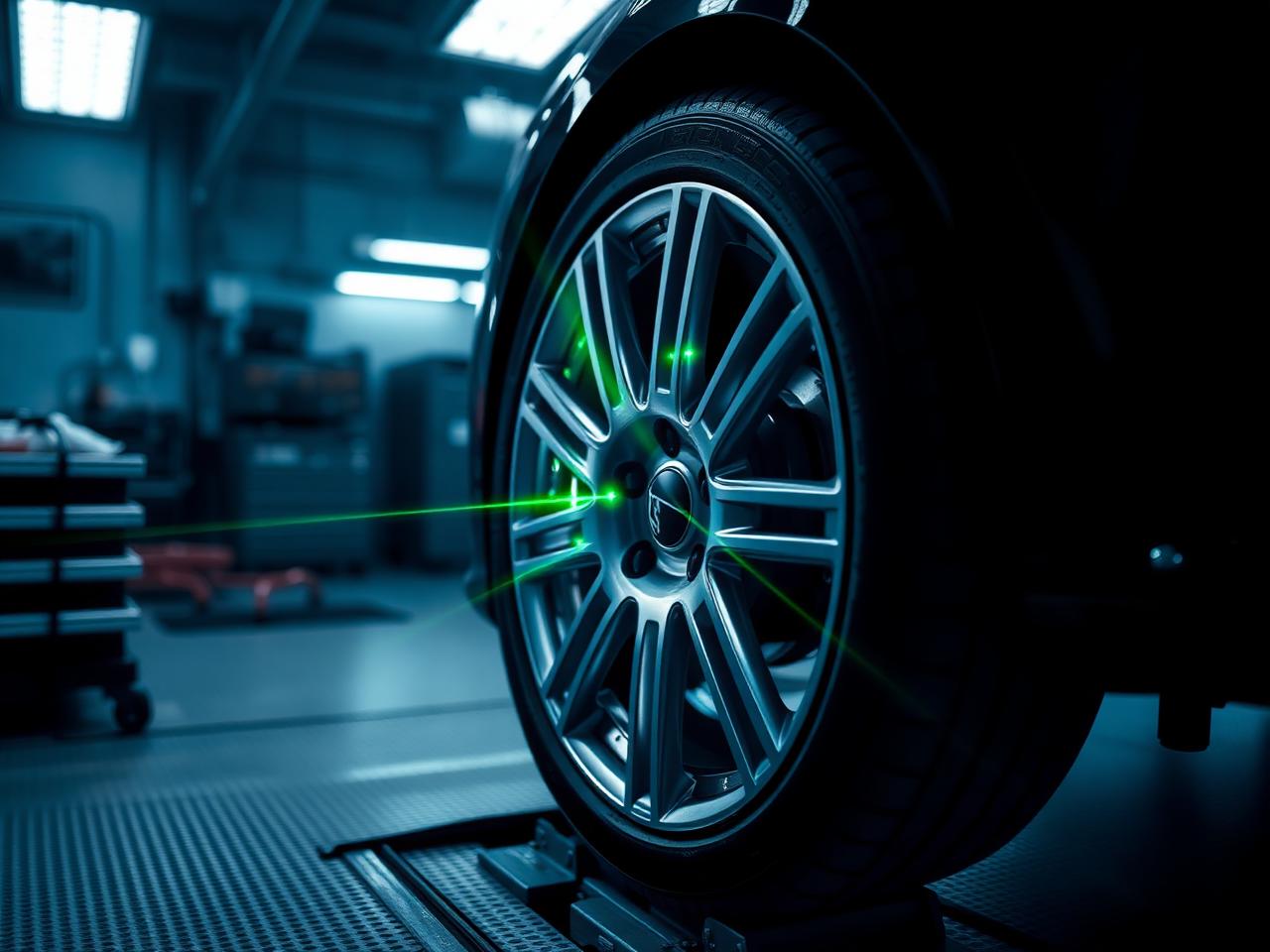
Alignment issues rarely announce themselves — a driver only notices once tires wear prematurely or a pull develops at speed. LumaScanner reads the early signal before either happens. By measuring tire wear pattern and geometry as part of every scan, the system identifies vehicles whose wheels are out of alignment even when the driver has no complaint and the tread still looks serviceable. That turns an invisible condition into a documented, photo-backed recommendation a service advisor can present at the same visit — before uneven wear shortens tire life, before a pull becomes a safety concern, and before the customer blames the shop for a problem that was already there. For the service drive it means alignment work is surfaced on every car rather than only the ones a customer happens to mention, and for fixed-ops it means a recurring, high-margin service category is captured consistently instead of left to chance.
Alignment flagged at intake is fixed the same visit — the customer never reaches the point of premature tire wear or a noticeable pull.
- Tire-wear-pattern alignment detection
- Same-visit, evidence-backed recommendation
- Recurring high-margin upsell capture
- Catch misalignment before tire wear accelerates
Wheels and Rims
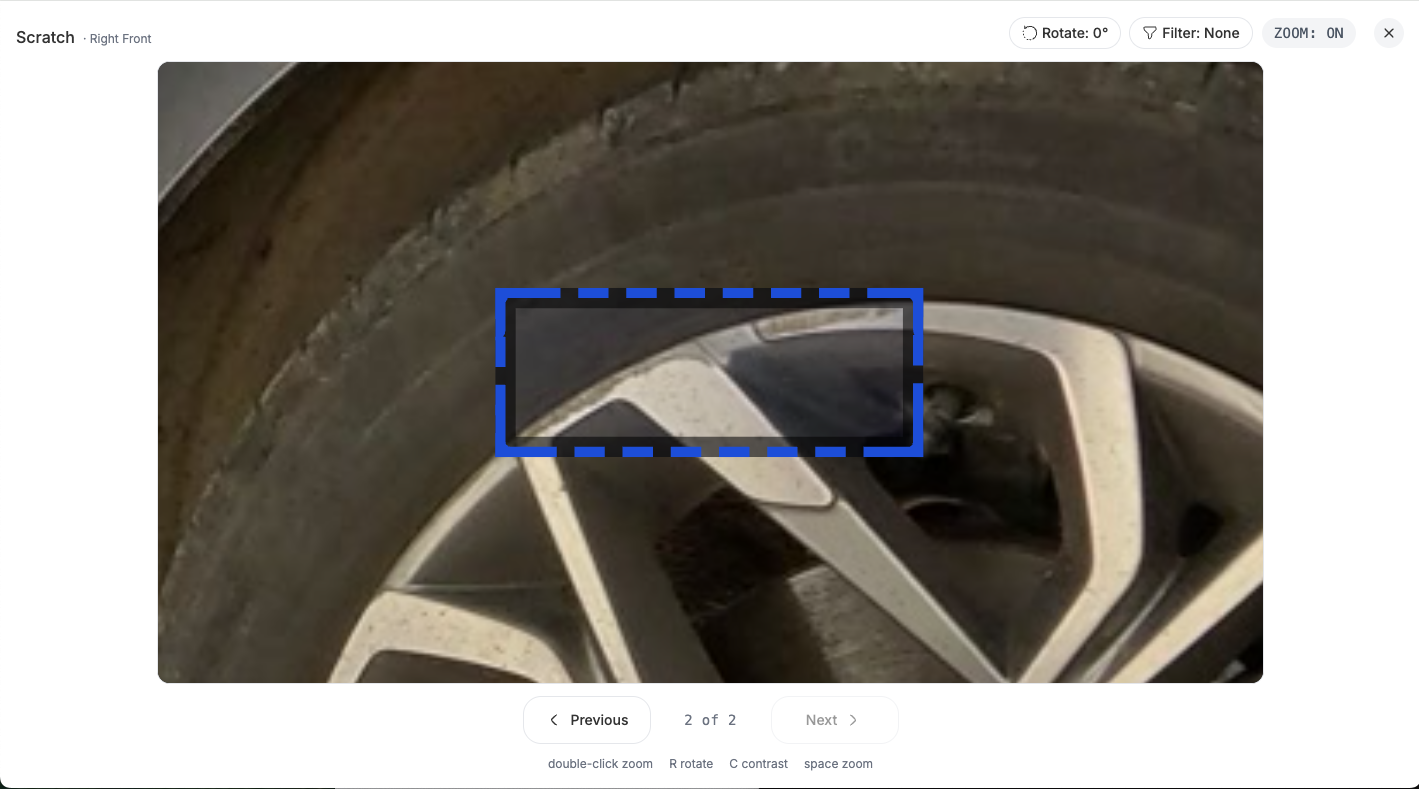
Curb damage, rim bends, and sidewall scuffs are easy to miss on a walk-around and easy to dispute afterwards. LumaScanner captures the condition of all four wheels on every vehicle as a standard part of the scan — no extra step, no advisor judgement call. Each finding is graded and photographed, so a repair-versus-replace recommendation arrives at the service desk already supported by evidence. For lease returns and trade-ins, the same record settles chargeback conversations before they start: condition at handover is documented, timestamped, and shared with every party. Wheel work is one of the highest-margin, fastest-turnaround jobs on the drive — and it is the one most often left on the table because nobody looked.
Wheel and rim findings are among the fastest jobs to close in the service lane — documented at intake, they convert without a second inspection.
- Curb rash & rim bend detection
- Repair-versus-replace grading on all four wheels
- Service upsell opportunities
- Documented handover evidence
Underbody
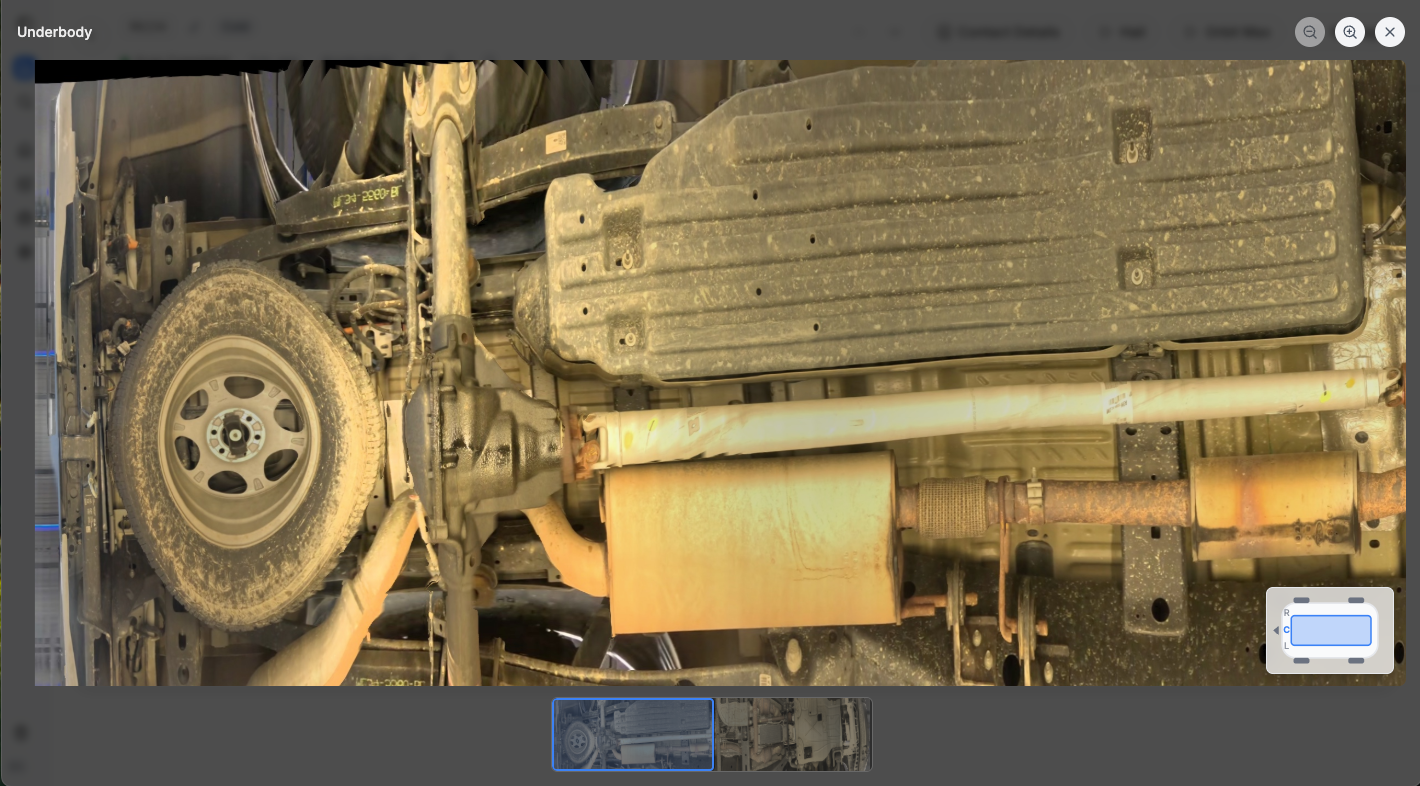
Corrosion, fluid leaks, prior repair work, and structural damage are invisible during a standard walk-around. LumaScanner's underbody scan documents chassis and undercarriage condition on every vehicle. For service teams it reveals issues the customer may not know exist, creating informed upsell conversations grounded in visual evidence. For trade-in and remarketing, it surfaces hidden reconditioning costs before they become surprises.
- Chassis & undercarriage capture
- Corrosion & leak detection
- Hidden recon cost surfacing
Hail
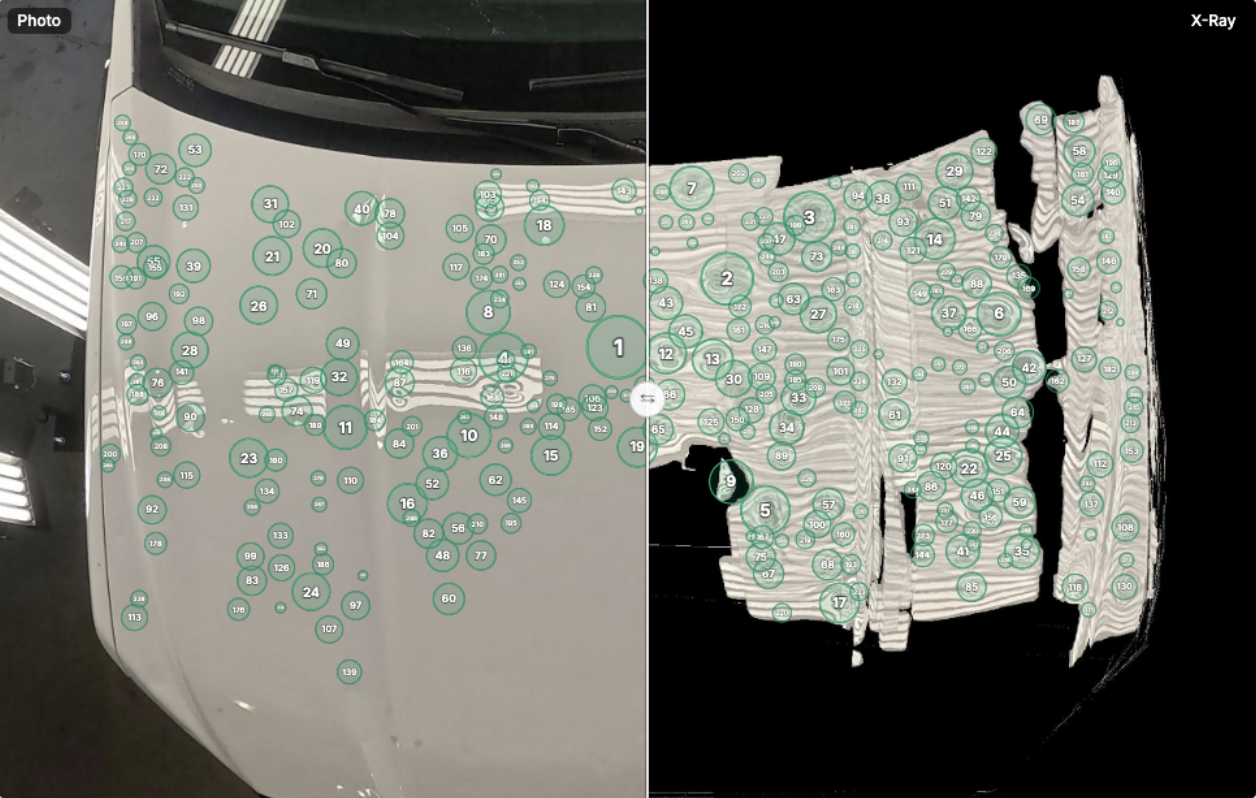
Hail events create volume, urgency, and pricing pressure simultaneously. LumaScanner counts and maps every dent across every panel automatically, producing per-vehicle repair estimates and fleet-level summaries ready for insurer submission. Whether the goal is processing an inbound fleet, pricing a trade-in, or supporting a claim, every vehicle gets the same consistent assessment regardless of how many need to be processed.
- Per-panel dent mapping
- ~500K US vehicles hail-damaged every year
- $2–3B in annual repair spend, arriving in bursts
Cosmetic
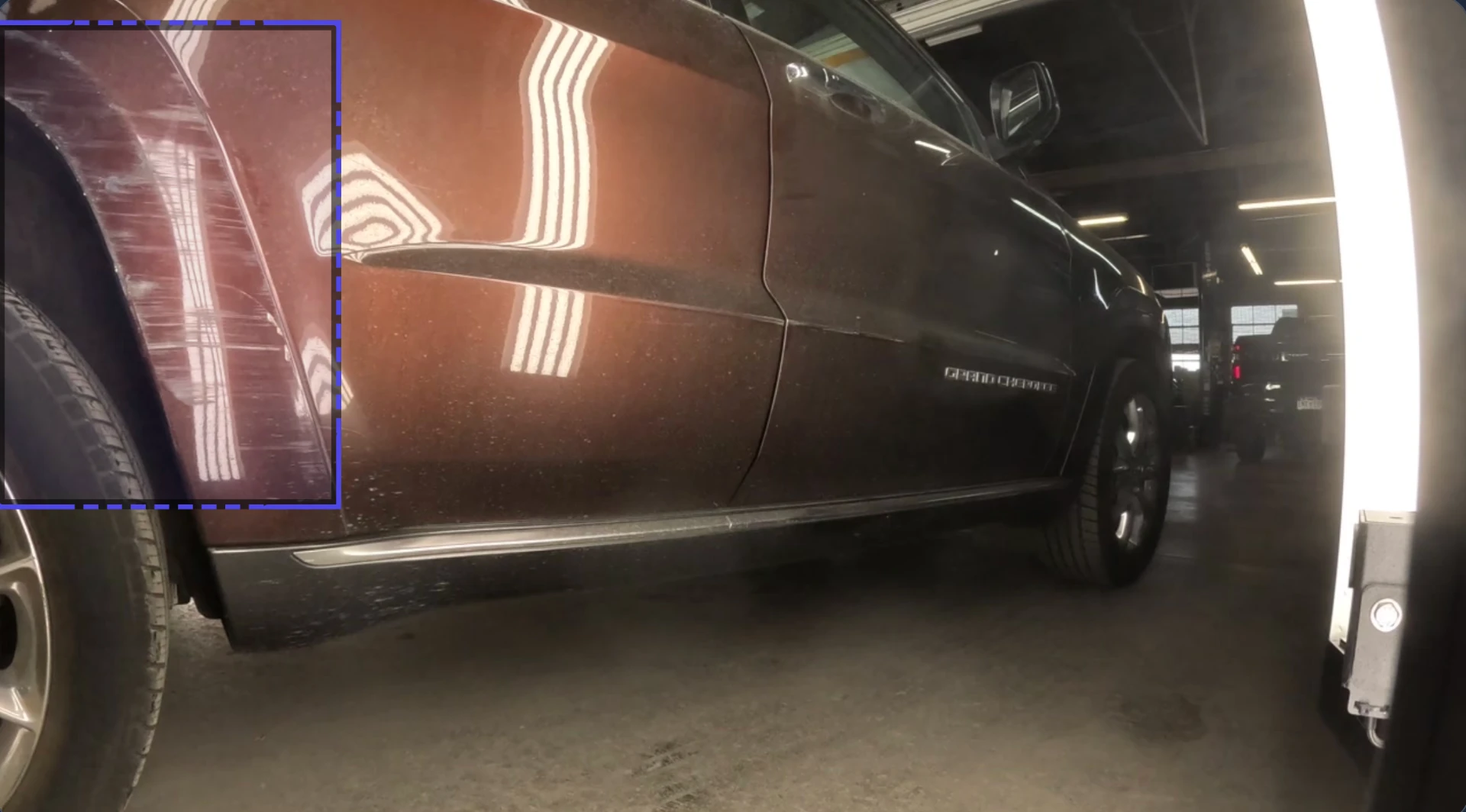
Scratches, chips, scuffs, and paint damage affect reconditioning cost, customer perception, and vehicle pricing. LumaScanner captures every cosmetic finding across the full exterior in a single pass, giving service advisors the basis for an informed upsell conversation, reconditioning teams a consistent prep scope, and used vehicle managers an objective condition baseline at trade-in.
- Full-exterior scratch & chip capture
- Consistent reconditioning scope
- Objective trade-in baseline
Body Damage
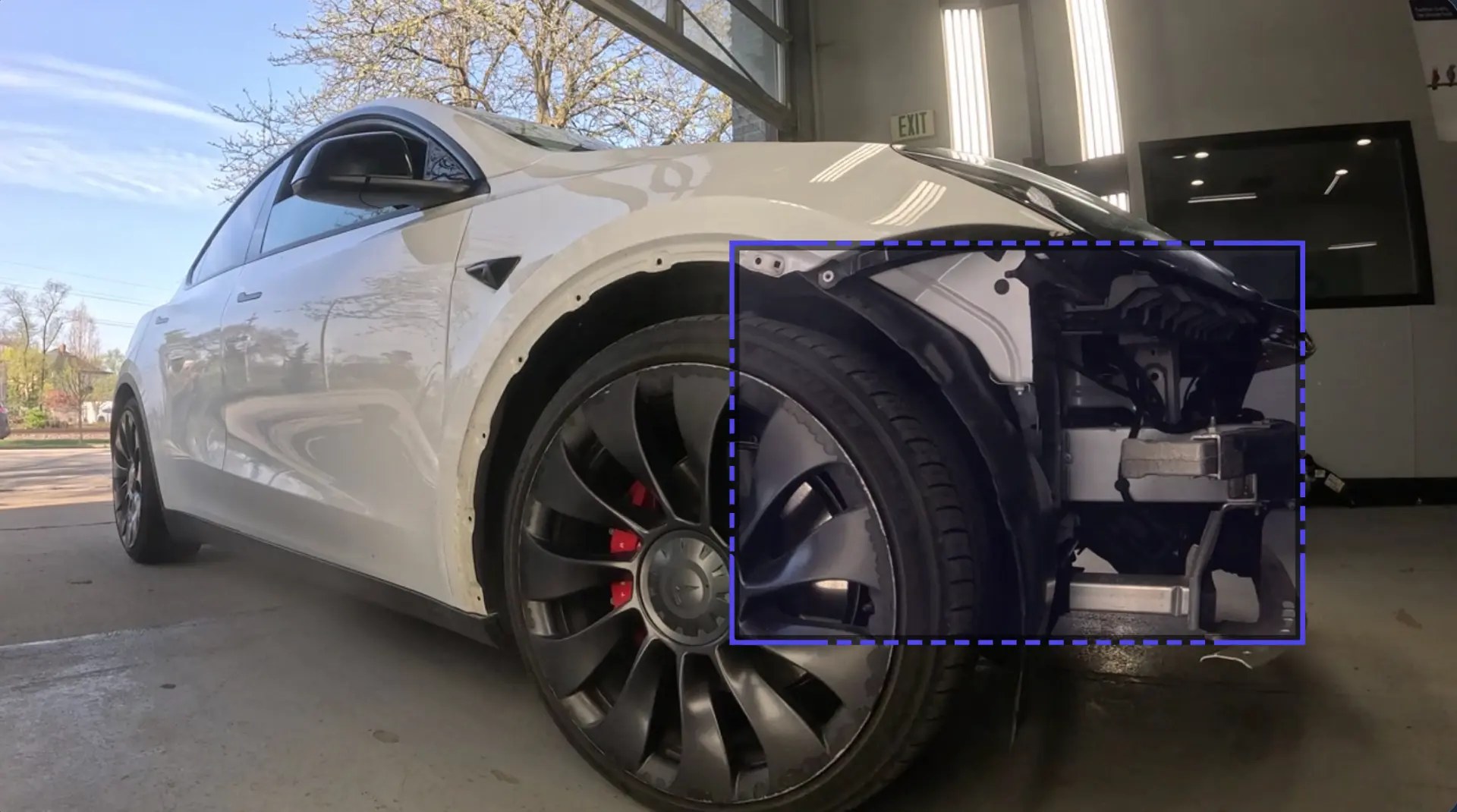
Collision damage affects structural integrity, repair cost, and vehicle value. LumaScanner identifies damage by panel, documents it with photographic evidence at the point of inspection, and generates repair estimates. Service teams get a complete repair scope before the vehicle enters the workshop. Trade-in desks get an objective condition record. Every finding is timestamped and auditable.
- Panel-level damage identification
- Repair estimates
- Timestamped, auditable evidence
FAQ
Frequently asked questions
What can LumaScanner be used for?
One 360° scan powers four workflows: dealership vehicle inspection, fixed-ops service revenue, used-car reconditioning, and service-drive damage documentation.
Do I need separate hardware for each use case?
No — the same 360° scanner supports every workflow, and reports flow into the tools each team already uses.
Which solution is right for my team?
Service advisors start with damage documentation, fixed-ops with service revenue, used-car teams with reconditioning; book a demo to map it to your workflow.
Does LumaScanner integrate with my DMS?
Yes — reports flow into your DMS or workflow via API.
Ready to see it on your lane?