
LumaScanner vs. The Field: Why Visual AI Is the New Infrastructure Standard for 2026
A clear look at LumaScanner AI technology and why visual AI inspection is becoming standard infrastructure in 2026 — and how AI inspection compares to manual processes.
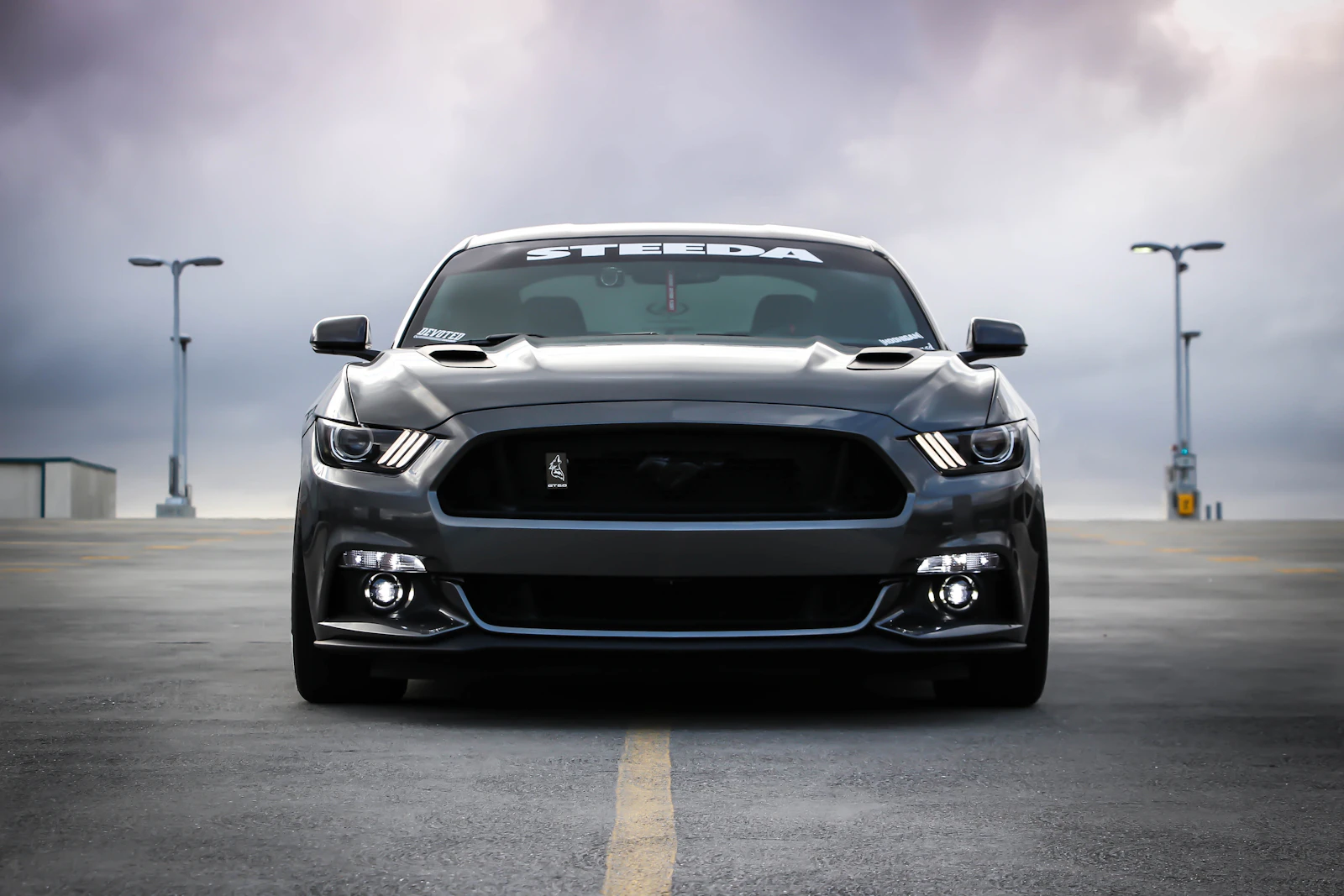
For most of the industry's history, vehicle inspection has been a manual, human-paced task. In 2026, that's changing fast: visual AI inspection is moving from a "nice to have" to core operating infrastructure, the same way scheduling software and DMS platforms did before it. This post explains what LumaScanner AI technology does, how AI inspection compares to the manual process it replaces, and why "infrastructure standard" is the right frame for where this is heading.
A note on framing: this is a brand post, so it's openly about LumaScanner — but the comparisons below are written so you can verify each claim against your own operation.
What LumaScanner AI technology actually does
LumaScanner captures a complete visual record of a vehicle and uses AI to detect and document condition across the exterior, glass, tires, and underbody. Instead of a person noting what they happen to see, the system produces a consistent, high-resolution record every time. Because the capture and analysis follow the same process on every vehicle, the output doesn't depend on who is running it or how much time they have — the record is the same standard whether it's the first vehicle of the day or the hundredth.
AI vs. manual inspection: an honest comparison
The point isn't that people are bad at inspection — it's that manual inspection can't scale consistently. Here's how the two approaches differ on the dimensions that matter:
| Dimension | Manual inspection | LumaScanner AI |
|---|---|---|
| Consistency | Varies by operator and conditions | Identical process every vehicle |
| Coverage | What the inspector looks at | Full documented capture |
| Speed at volume | Slows as volume rises | Consistent at scale |
| Record/audit trail | Notes, if any | Time-stamped visual evidence |
| Detects subtle/underbody damage | Often missed | Captured and flagged |
Why "infrastructure," not "tool"
A tool is something you pick up when you need it. Infrastructure is something the operation runs on. Visual AI is crossing that line because it touches appraisal, reconditioning, service, wholesale, and customer trust simultaneously — the condition record becomes the shared source of truth across departments. Once every vehicle is scanned by default, you're no longer running individual inspections; you're operating on a continuous condition data layer.
What's driving adoption in 2026
Several pressures are pushing visual AI from optional to standard. Margins on used inventory are tighter, so the cost of an inaccurate appraisal or a missed reconditioning item matters more than it used to. Customers increasingly expect transparency and visual proof rather than a verbal assessment. And consistent, documented condition records are becoming an operational expectation across appraisal, service, and remarketing — not a differentiator a few sites offer, but a baseline buyers and partners assume is in place.
Frequently asked questions
What is LumaScanner AI technology?
It's an AI-powered visual inspection system that captures and analyzes a vehicle's full condition — exterior, glass, tires, and underbody — producing a consistent documented report.
Is AI inspection more accurate than manual inspection?
AI inspection is far more consistent than manual inspection and captures areas often missed in quick visual checks, such as underbody and subtle panel damage.
Does AI inspection replace staff?
No. It standardizes the condition data staff rely on, freeing them from repetitive capture work and giving every department the same evidence to act on.
For a full breakdown of the hardware and models behind this, see the LumaScanner technology page.
Related: Standardizing the Appraisal: Turning Inconsistent Trade-Ins into Accurate Inventory Assets
See the standard for 2026
Book a LumaScanner demo and compare your current inspection process against an AI-driven one, side by side.